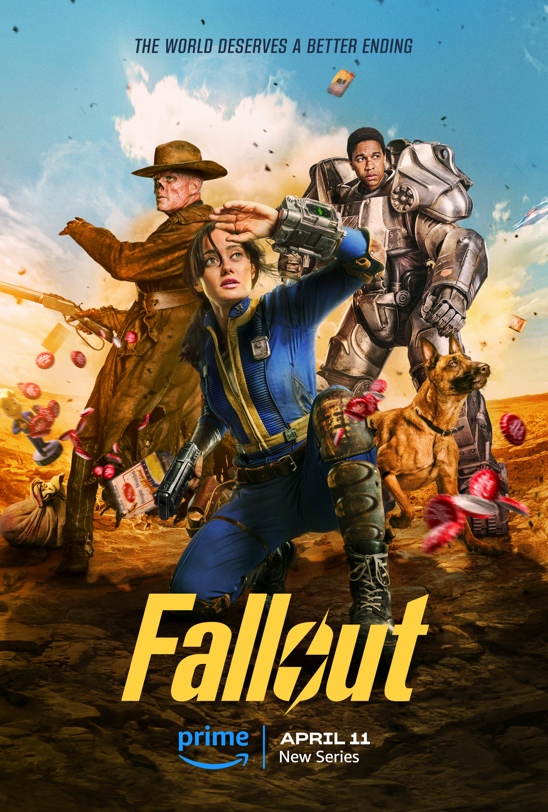
The Fallout series has broken the charts and broken hearts.
The award-winning TV show Fallout, based on the long-running game series, has impressed many viewers who until recently had only wondered about the strange and dangerous world of the Fallout universe. With its stunning visuals, gritty storytelling and compelling characters, the show quickly captures the attention of its audience and pulls viewers into the grimy, chaotic world of post-nuclear America. Rusted cities, irradiated wastelands and the strange societies that have formed after the bombs fell are brought to life in a way that feels immersive and cinematic. For newcomers especially, the show acts as an engaging introduction to a universe that has fascinated gamers for decades.
However, viewers who have actually played the Fallout video games don’t love some of the choices the show makes. While the series succeeds in recreating the atmosphere of the wasteland, several changes to the story remove elements that made the original games so beloved in the first place.
For instance, one of the most important aspects of the Fallout games is player choice. Each game allows the player to shape the world around them through their decisions, leading to different outcomes and endings for various characters and factions. This sense of personal control over the story is a huge part of what made the games memorable.
This isn’t reflected in the TV show. The biggest example of this issue appears in the second season, which is based on the game Fallout: New Vegas. The show hints at what appears to be a canonical ending for the events of that game. For longtime fans, this was disappointing. In the game, players can side with factions like the NCR or The Legion, each leading to a different ending in the Mojave Wasteland (the setting of the game and the California area). By choosing one specific outcome for the show, the series removes the sense of personal connection players had with the story. What was once a world shaped by the player’s decisions now feels confined to a “correct” TV ending, which undermines the spirit of one of the strongest titles in the franchise.
The Fallout TV series also contains several plot points that raise questions when examined more closely. One of the most controversial reveals involves Vault-Tec, the corporation responsible for building the underground “vaults” designed to protect people from nuclear fallout. In the show, it is revealed that Vault-Tec may have intentionally caused the nuclear war themselves. While the games sometimes hinted at this possibility, they never confirmed it outright.
By making this idea explicit, the show changes the mystery surrounding the company’s motives.
The reasoning given in the show is that the company wanted to maximize profits and maintain control of the future. However, this explanation creates a logical problem. If the goal was to make money, intentionally ending the world seems counterproductive because once civilization collapses, traditional currency and corporate profit lose all meaning. This decision leaves viewers wondering whether the explanation truly fits within the logic of the world.
Overall, my review of the series is somewhat mixed. For people who have never played the games, the TV show is an excellent starting point. Its rich storytelling, strong acting and impressive visual design make Fallout entertaining and more accessible than purchasing the game. However, for longtime fans who love the games for their complex lore, player-driven stories and unique sense of choice, the show may feel like a failed interpretation of the universe.
While it captures the imagery of Fallout, some of the TV show’s major plot differences and inconsistencies may be difficult for dedicated fans to ignore.