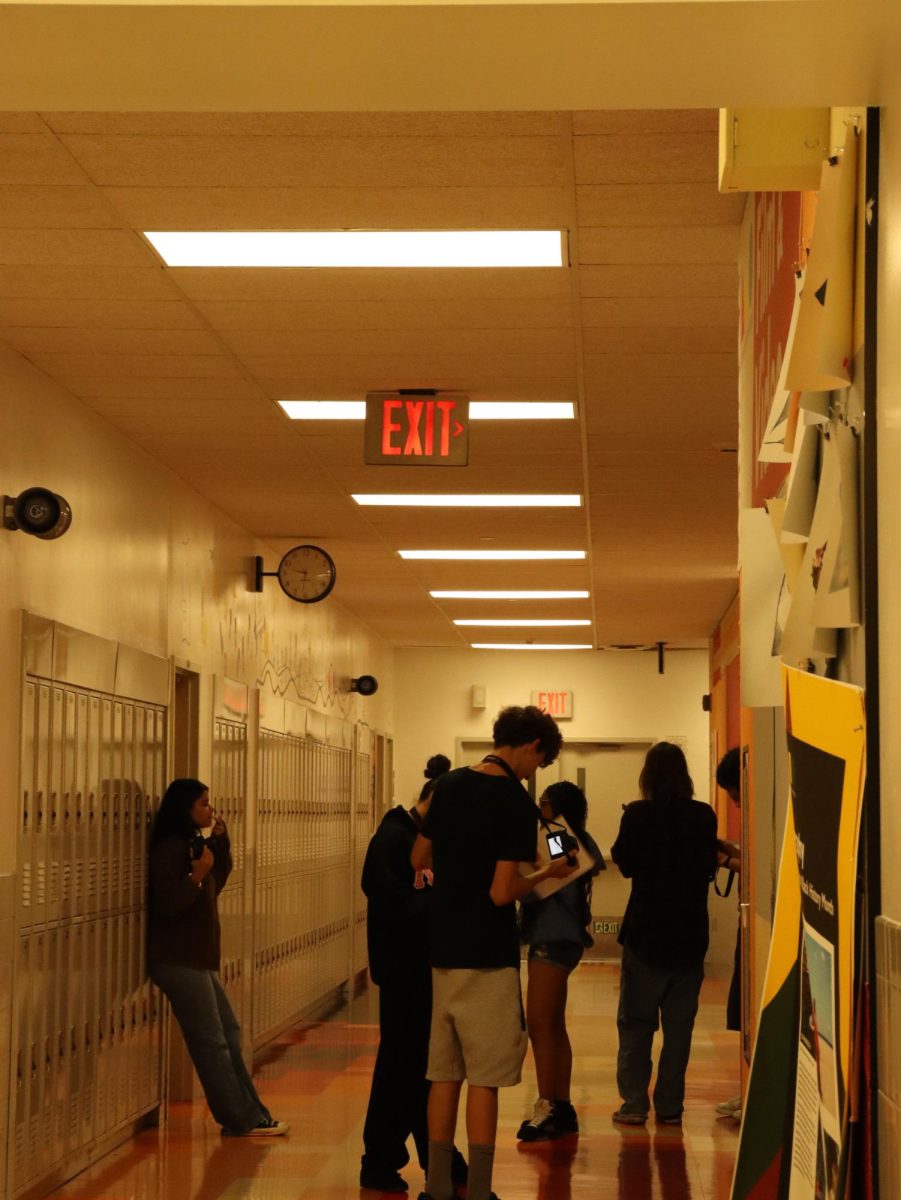

What happens when the screens that fill your days are suddenly silenced in schools?
This past May, New York instituted a law restricting the use of devices during the school day to reduce distractions from learning.
The law, which limits when students can use their phones and other electronic devices on campus, has sparked mixed reactions among teachers and students. Supporters believe it helps create a more focused learning environment, while critics argue it overlooks students’ ability to manage their own technology use responsibly.
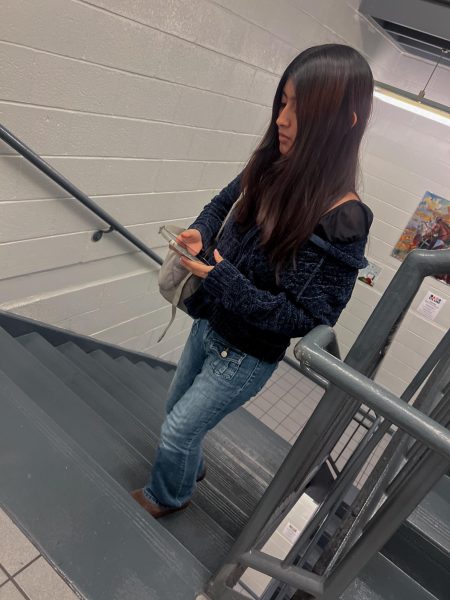
“I feel like it’s not safe enough to ban phones yet,” said Kolette Torres, a graphic design major. “If you really want to make the school safer, the first step is to have more safety precautions in place instead of locking up phones.”
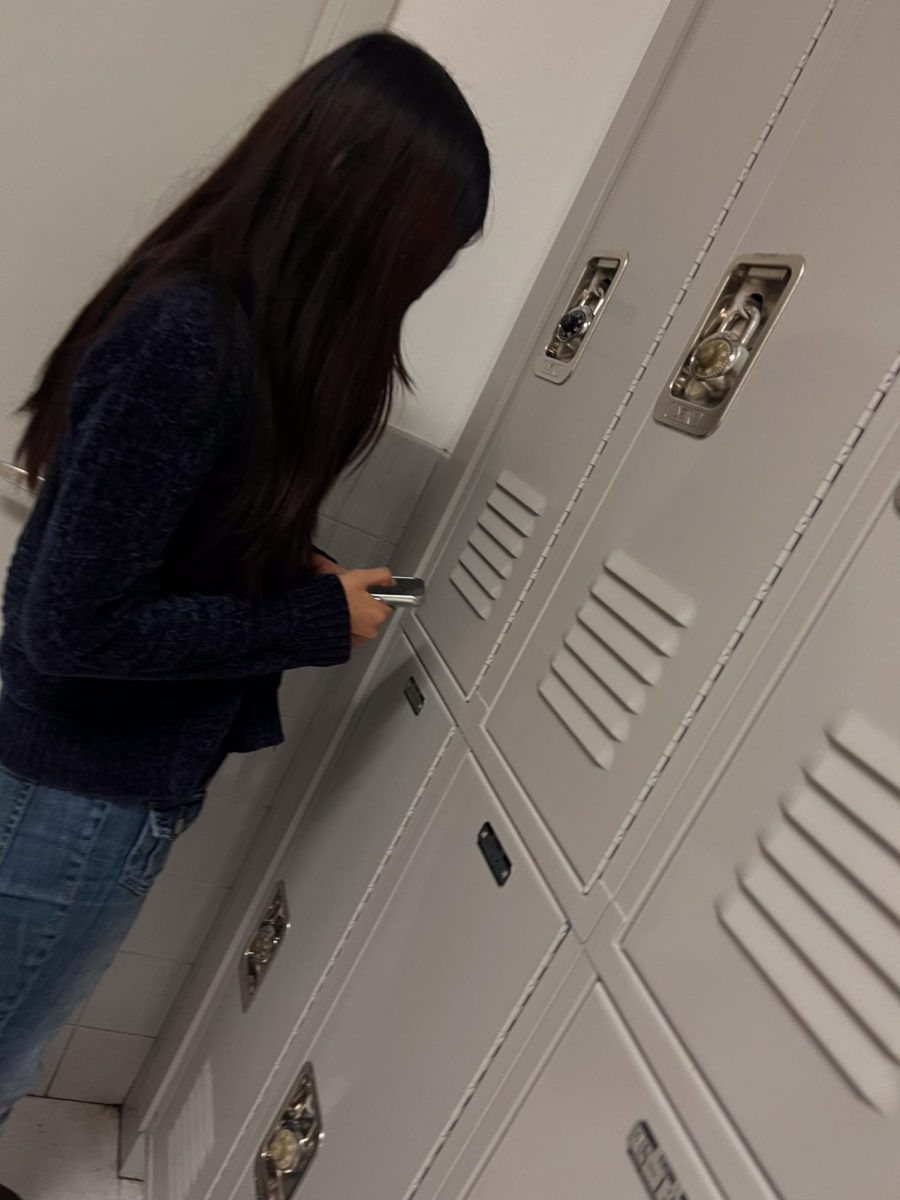
Torres said she does not feel safe when her phone is locked away because she wouldn’t be able to communicate in an emergency. She suggested more effective ways to protect students.
“There should be metal detectors and better security protocols for entering the school,” she said. “There have even been times when I forgot to swipe my ID, and nothing happened.”
Teachers have another perspective. Mr. Holmes, a history teacher at A&D, highlighted both the benefits and drawbacks of the new rule. While he supports the policy for improving focus and reducing distractions, he acknowledged that A&D students may not need as much restriction as other public schools because of their maturity and sense of responsibility.
“I think it is productive because it really allows students to focus on school,” Holmes said. “However, I do believe that A&D students are very mature and have a lot of self-regulation, and can control their use.”
Many students shared similar concerns about how the phone ban affects their sense of safety and communication during the school day. Pauline Kondratenko, a junior majoring in architecture, said she believes that while the rule may have good intentions, it fails to consider real-life situations that could put students at risk.
“If a parent needs to contact us, the main office has to find where we are, and sometimes they get it wrong,” Kondratenko said. “It’s too much.”
Likewise, Araselis Paredes, a senior, said: “It’s an unnecessary ban, and honestly, it’s unsafe.”